Seville Aquarium: a journey through aquatic biodiversity beside the Guadalquivir
A visit to Seville Aquarium (Acuario de Sevilla) offers a chance to exchange the pace of the city for the observation of underwater life. Located at Muelle de las Delicias, beside the Guadalquivir River, it combines learning, discovery and entertainment in a route introducing visitors to different aquatic ecosystems. Its location connects the experience with Seville's maritime history and makes the aquarium's surroundings part of the visit.
Through environments inspired by rivers, oceans, tropical forests and reefs, visitors can observe how life changes as they follow the route. The experience rests on a clear idea: understanding aquatic biodiversity helps explain why it needs protection. The visit therefore extends beyond looking at animals, encouraging people to notice their adaptations, behaviour and relationships with each habitat.
Seville Aquarium and its route through biodiversity
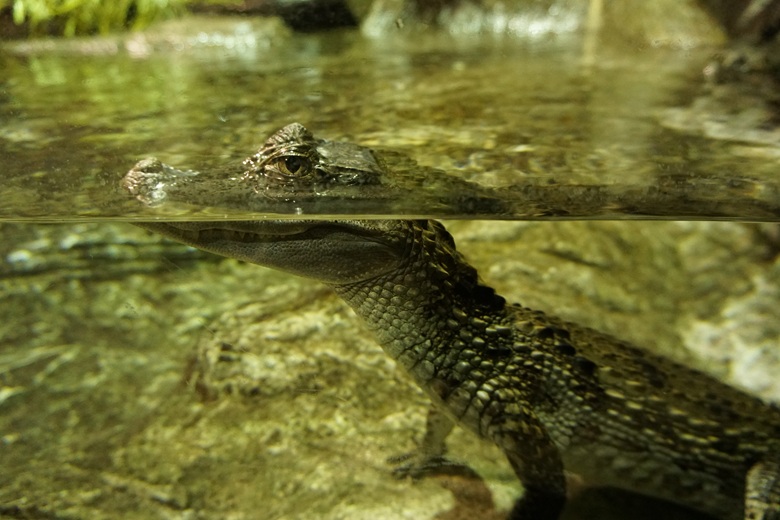
Seville Aquarium is dedicated to aquatic life, organising its route as a journey through different natural landscapes. It begins with the nearby environment, represented by the Guadalquivir, before opening out towards wider ocean habitats. This approach presents water as a connection between regions and species, reinforcing Seville's historical relationship with navigation and voyages of exploration.
One of its distinctive features is inspiration drawn from the first circumnavigation by the Magellan and Elcano expedition. This historical reference gives the route a coherent narrative: its areas act as stages of a journey beginning in Seville and continuing through environments from different regions. History, nature and education come together in a continuous experience, whether visitors are discovering the aquarium for the first time or returning with a more attentive eye.
The variety of environments sustains interest throughout the route. Areas exploring the Guadalquivir, the Atlantic, Amazonia, the Pacific and the Indo-Pacific introduce different forms of life. Changes in lighting, scale and atmosphere accompany the characteristics of each space, from river waters to ocean environments. These transitions create a varied visit and offer different perspectives on the ways species adapt to their surroundings.
The experience of visiting Seville Aquarium
The experience begins with an introduction to the Guadalquivir River, an inseparable part of Seville's identity. This starting point places visitors in familiar geographical surroundings before taking them towards the Atlantic and other natural environments. The progression of the aquarium route encourages curiosity: each space expands the scale of the journey and introduces new forms of life, colours, movements and relationships between species.
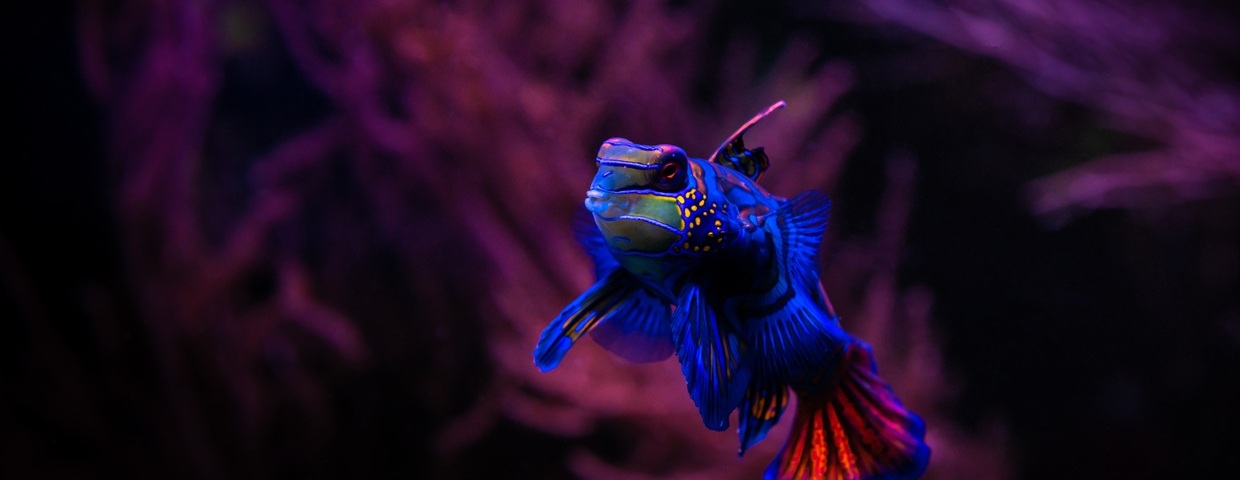
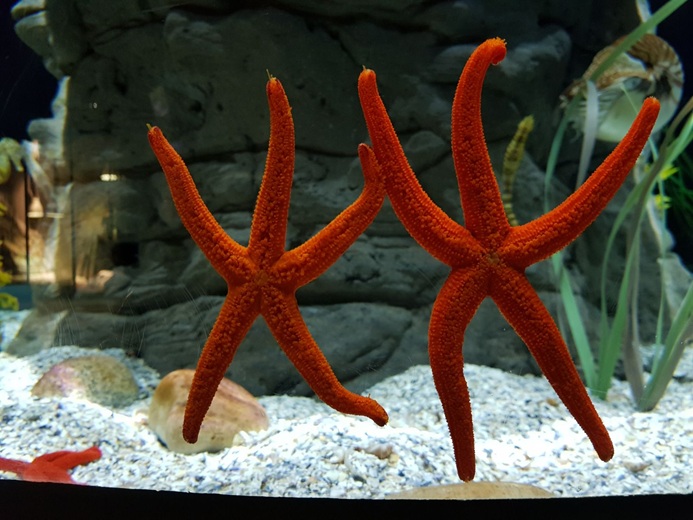
Observation is one of the visit's main attractions. In front of the tanks, time seems to slow as fish, turtles, jellyfish and other animals move through their spaces. Movement, reflections on the water and lighting create an immersive atmosphere that encourages people to pause. This way of exploring allows visitors to enjoy both the overall impression of an environment and the details that become apparent when they take time to look.
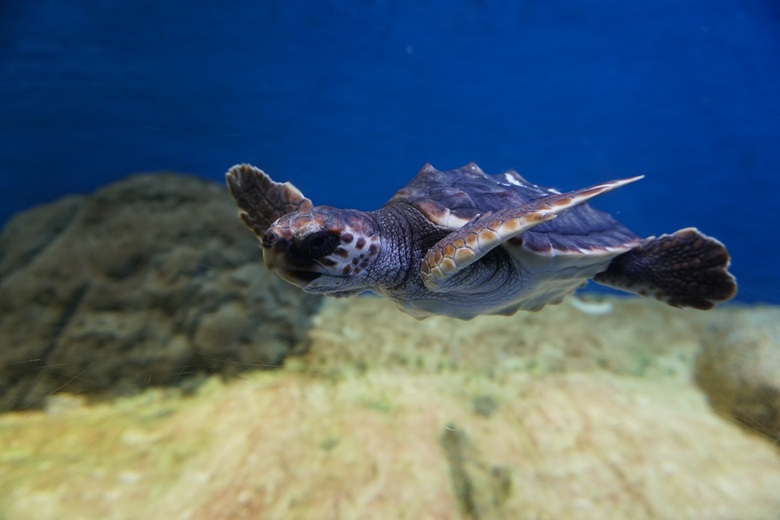
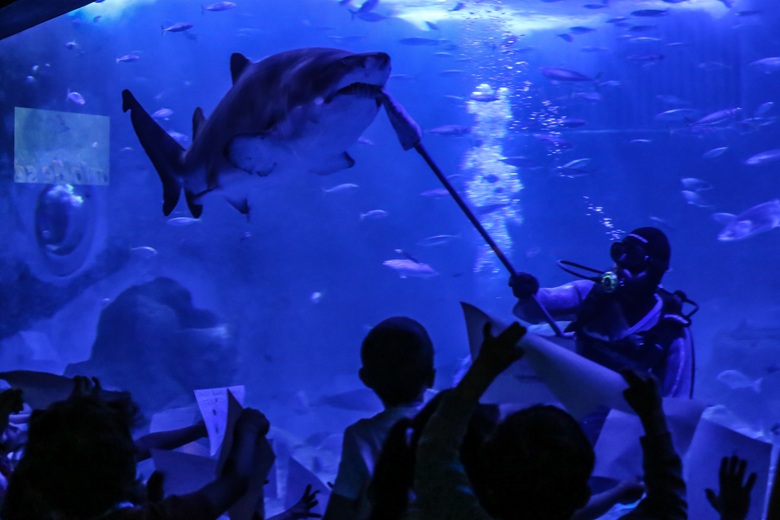
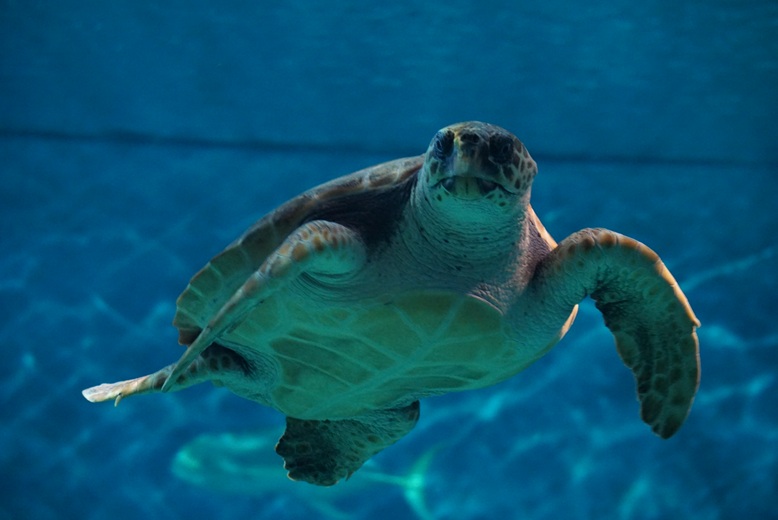
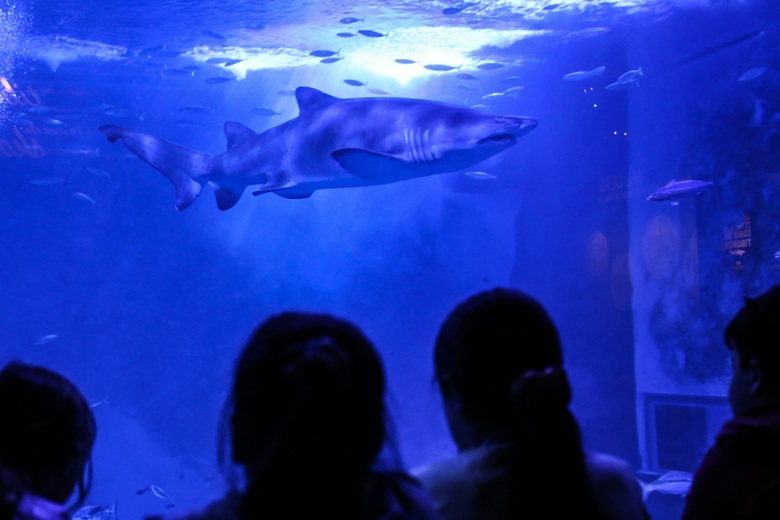
The Oceanarium provides a central moment in the route, with opportunities to observe sharks and sea turtles in a large tank. The view of the animals allows visitors to appreciate swimming movements, outlines and physical details that help them learn more about these species. Beyond the initial impression, spending time here offers a chance to compare animals and discover how they move through the water.
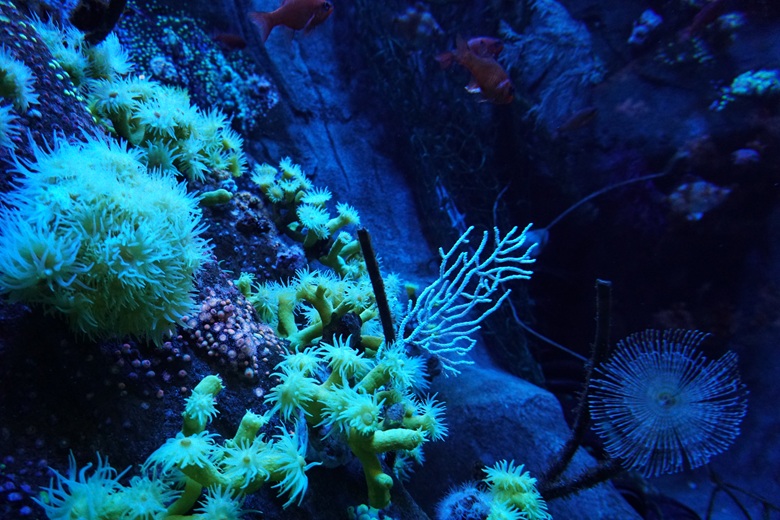
The route also introduces tropical environments and areas associated with reefs and waters rich in biodiversity. The contrast between aquatic ecosystems shows that life is shaped by very different natural conditions rather than a single type of landscape. The visit retains its educational character while continuing to surprise, connecting information with the animals and environments people are watching.
Sharks, jellyfish and ecosystems that inspire curiosity
Sharks have a prominent place in the public imagination and offer an opportunity to reconsider familiar assumptions. Watching them calmly allows visitors to notice their adaptations and learn about their importance in marine ecosystems. The Oceanarium is home to the sand tiger shark, one of the species introducing this group of animals through knowledge and broadening perspectives beyond film stereotypes.
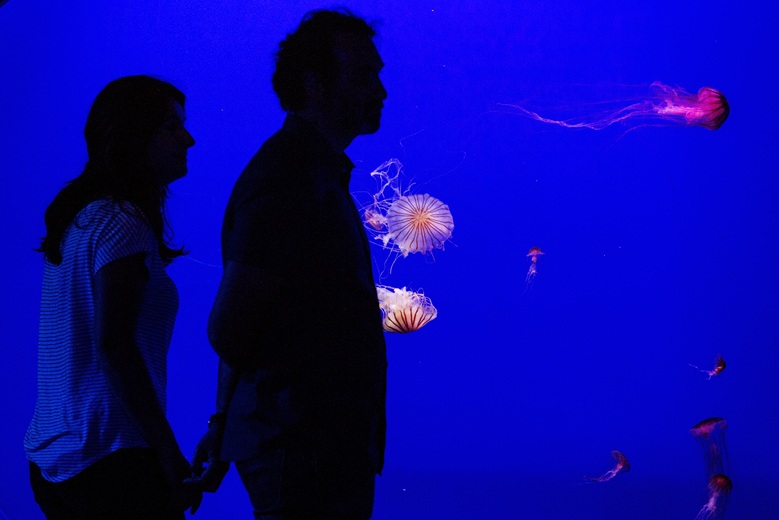
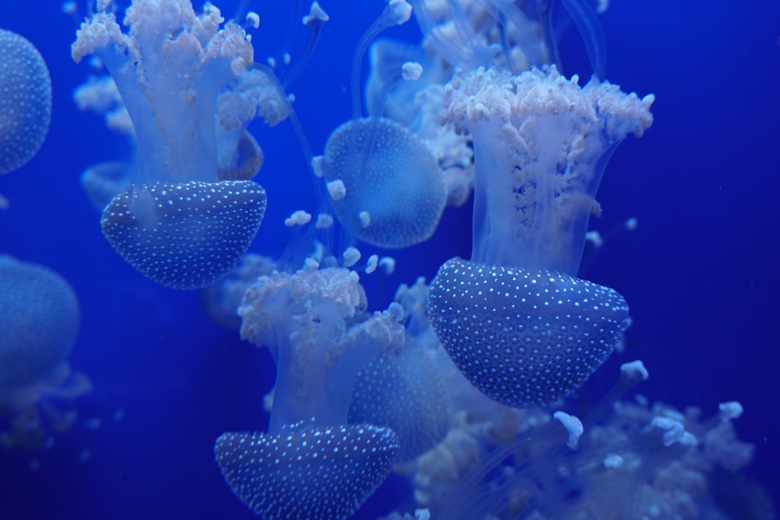
Jellyfish create a different visual experience. Their movement, translucent forms and relationship with currents produce scenes that invite visitors to pause. Beyond their appearance, these organisms prompt questions about the variety of strategies found in marine life. Watching them allows comparisons with forms of life very different from large fish and introduces other rhythms within aquatic biodiversity.
Moving through Amazonian and Indo-Pacific environments introduces landscapes that broaden the content of the route. Reefs and tropical waters offer starting points for understanding relationships between animals and their surroundings. Each species forms part of a network of connections, helping explain why nature conservation also requires attention to habitats and the conditions that make life possible.
The combination of familiar and less recognisable species keeps curiosity alive. For children, each tank can become a question; for adults, the route offers opportunities to notice details that often go unobserved. These different levels of discovery support a visit for different audiences, in which families, couples, groups and individual visitors can find their own reasons to watch, learn and enjoy the experience.
A family, educational and engaging visit in Seville
Seville Aquarium's family appeal does not prevent the experience from offering interest to a wide range of visitors. Children find visual discoveries and new species to recognise, while adults can explore topics related to ecosystems and animal behaviour. The result is a family activity in Seville combining learning, entertainment and conversation, with a pace that can reflect the interests and needs of those sharing the visit.
For schools and groups, the aquarium provides a useful setting for exploring biology and the environment. School visits connect learning about animals and habitats with observations made along the route. Independent visits and guided activities are available, with conditions to check according to the selected option. Seeing animal adaptations helps give a tangible dimension to concepts that may seem more abstract in the classroom.
There is also an emotional dimension. A child's reaction to a large tank, the movement of a jellyfish or the passing of a shark can create moments remembered after leaving. A connection with marine life often begins with an image or a simple question. Sharing those impressions allows people to discuss discoveries and connect their initial sense of wonder with an interest in understanding and caring for nature.
The visit can also provide a pause during a day of sightseeing. Its indoor setting and the pace of the route offer a contrast with the squares, monuments and streets of the historic centre. Including the aquarium among the things to do in Seville reveals another side of the city connected with water, exploration and nature, combining the experience with nearby activities according to the time available.
Seville Aquarium and its relationship with the Guadalquivir
The Muelle de las Delicias location reinforces the aquarium's identity. Its address is Muelle de las Delicias, s/n, 41012 Seville, beside the Guadalquivir. The river is both a nearby geographical feature and part of the story of navigation connecting the city with other territories. This relationship links the route with Seville's landscape and maritime memory, adding context to the experience.
The surroundings allow visitors to combine the aquarium with a walk near María Luisa Park and Jardín de las Delicias. This proximity helps people organise a day alternating green spaces, heritage and educational discovery. The experience can extend beyond the indoor route and fit into a city break, leaving time to rest, walk beside the river or continue towards other points of interest.
One option for reaching the aquarium is to take the Metro to Puerta de Jerez and continue on foot. Calculate the complete journey according to the starting point and the time available. The Seville Aquarium venue page provides location information to help visitors organise their journey to Muelle de las Delicias before the visit.
Marine conservation and education for different audiences
Marine conservation is one of the themes giving purpose to learning about biodiversity. Seville Aquarium uses observation as a starting point for wider subjects: the vulnerability of habitats, the impact of human activities and the role of species within ecosystems. The route encourages an understanding that protecting the oceans also means learning about their relationships and the diversity of animals that depend on them.
The aquarium's work includes participation in projects protecting sea turtles, including the species Caretta caretta. This work incorporates an educational element raising awareness of the importance of conserving species and their habitats. Relating these projects to animals observed during the visit introduces concrete examples of conservation and helps people understand that the venue's work extends beyond its exhibition route.
Educational content also encourages visitors to look beyond the idea of the ocean as a distant place. Rivers, seas and human activities are connected, and everyday decisions can affect the environment. Environmental education brings these subjects to an understandable scale: observing, asking questions and connecting discoveries with water use, waste or care for natural spaces gives the experience continuity after the visit.
Seville Aquarium among the city's leisure activities
Within Seville's leisure offering, the aquarium combines nature, history and observation to complement visits to monuments. It offers an option for people wishing to include an educational activity during their stay in the city. Check Seville Aquarium opening hours for the chosen date, considering opening and closing times as well as the last admission time for the route.
The visit can accommodate different paces. As a guide, the route usually takes around 90 minutes, although the time depends on stops and interest in the information in each area. Some people spend longer at the Oceanarium, while others prefer to focus on jellyfish or tropical environments. Allowing extra time makes it easier to find a balance between observation, learning and entertainment.
Seville Aquarium leaves visitors with memorable images: outlines crossing the water, tropical colours and movements that prompt questions. Its value also emerges when those images become curiosity and a new awareness of the natural world. Beside the Guadalquivir, the route connects the city's history of exploration with the discovery of aquatic life and the importance of caring for the ecosystems to which it belongs.
Useful info about Acuario de Sevilla
What is Seville Aquarium?
It is a leisure and educational venue dedicated to aquatic biodiversity, with a route inspired by the first circumnavigation of the world and Seville's historical relationship with navigation.
What is the aquarium experience like?
The visit combines animal observation, recreated environments and information about habitats and conservation. The route introduces different ecosystems and can be enjoyed with family, as a couple, in a group or individually.
Where is Seville Aquarium?
It is at Muelle de las Delicias, s/n, 41012 Seville, beside the Guadalquivir. Location information is available on the Seville Aquarium venue page.
How do you get to Seville Aquarium?
You can plan a walk to Muelle de las Delicias or combine public transport with walking. One option is to take the Metro to Puerta de Jerez and complete the journey on foot; calculate the distance from your starting point.
What are the aquarium's opening hours?
Hours vary according to the season and day. Check opening and closing times for your chosen date. Last admission to the route is one hour before closing, so allow time for arrival.
How long does a visit take?
The route takes approximately 90 minutes. You can spend longer observing animals and reading the available information, provided your visit remains within the aquarium's opening hours.
Which animals can you see?
The route introduces sharks, sea turtles, jellyfish and fish from different environments, among other species. The Oceanarium is one of the spaces where visitors can discover large marine animals.
Is it suitable for children?
The variety of animals and environments supports a family outing with opportunities to learn. Adapt the pace to children's ages and allow time to stop at the species and areas that spark their curiosity.
Can you take photographs?
Yes, photography is allowed during the visit. Follow the venue's instructions and respect other visitors' space while observing and photographing the animals.
Are guided tours and educational activities available?
The aquarium offers guided tours and educational activities with specific conditions. Check availability, booking requirements and included services before adding them to your visit or organising a school outing.
How much are tickets?
Ticket prices for Seville Aquarium depend on the category and available conditions. Check the applicable rate, admission validity and what each option includes before completing a purchase.
Where can you buy official tickets?
You can check official tickets for Seville Aquarium on entradas.com. Review availability for the chosen date, admission options and ticket conditions before confirming your visit.