Bodegas CVNE turns the wine landscape into a cultural experience where history, territory, architecture and craftsmanship come together across some of northern Spain’s most distinctive wine regions. From Haro and Rioja Alavesa to Ribera del Duero and Rías Baixas, Bodegas CVNE brings together different identities under one shared approach to wine:
tradition, precision and a strong sense of place. Its wineries invite visitors to experience wine not only as a finished product, but as a cultural expression shaped by landscape, memory and architecture.
Talking about Bodegas CVNE means looking back to a family story that began in Haro in 1879 and has evolved over generations without losing its connection to its origins. The company was founded as Compañía Vinícola del Norte de España and remains linked to the same founding family, building a long-standing tradition in which quality winemaking coexists with innovation and an international outlook. This continuity gives Bodegas CVNE a distinctive place within Spain’s wine culture, bringing together houses such as Cune, Viña Real, Viñedos del Contino, Bela and La Val. Its geographical diversity is therefore one of its strongest features: one shared heritage expressed through different landscapes.
The history of Bodegas CVNE: a family tradition since Haro
The story of Bodegas CVNE begins in Haro, in the heart of Rioja, where the company was founded in 1879. The original winery in the Barrio de la Estación developed around a historic complex devoted to winemaking and ageing. More than a century later, this origin remains central to the identity of the group. Family continuity gives the story an unusual sense of depth: knowledge and sensibility have been passed from one generation to the next. This is why the different Bodegas CVNE projects share a recognisable identity based on respect for heritage and the pursuit of excellence.
The history of Bodegas CVNE is also a history of experimentation. Throughout its development, the company introduced technical solutions that helped shape modern winemaking practices. This combination of memory and innovation is essential to understanding the current experience. Visitors do not encounter a winery preserved in the past, but a living heritage that continues to evolve. The attraction of the Bodegas CVNE experience lies partly in this balance between what remains and what changes.
This historical dimension can also be seen in some of the group’s best-known wines and houses. Cune emerged from the company’s initials, Imperial became one of its best-known references, and Viña Real developed a strong identity rooted in Rioja Alavesa. In 1973, Viñedos del Contino was created as a pioneering château-style winery in Rioja. Later, Bodegas CVNE extended its presence into other wine regions through projects such as Bela in Ribera del Duero and La Val in Rías Baixas. The evolution is consistent: growth without erasing the character of each territory.
This trajectory helps explain why Bodegas CVNE holds such a distinctive place within wine tourism and cultural experiences. Its wineries are not interchangeable venues, but places with their own identity. Architecture, vineyards, historic cellars, ageing rooms and landscapes all contribute to a narrative that allows visitors to explore different interpretations of wine. For the audience, this creates an immersion into Spain’s living wine heritage.
Bodegas CVNE in Rioja: Haro, Laguardia and the wine landscape
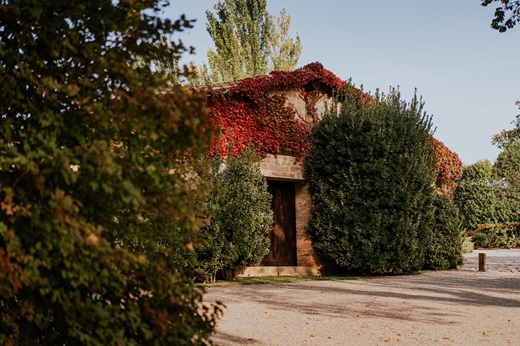
Rioja is one of the main centres of gravity within the Bodegas CVNE universe. The Cune winery in Haro maintains the connection with the origins of the company and preserves an architectural landscape where courtyards, historic buildings and ageing areas come together. The experience is deeply connected with Rioja’s collective wine heritage because the Barrio de la Estación itself forms part of the region’s cultural identity. Exploring this setting means approaching a way of making wine that brings together heritage, craftsmanship and local culture.
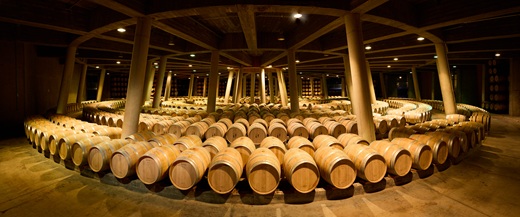
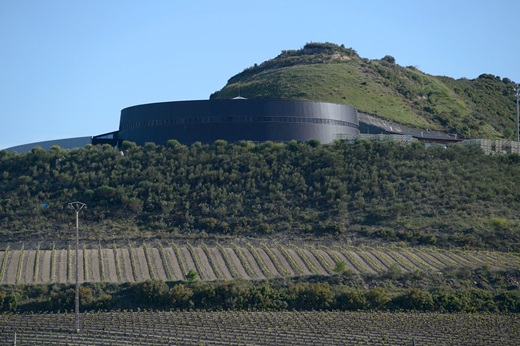
In Laguardia, Bodegas CVNE takes on a different identity through Bodega Viña Real. Its architecture integrates into the landscape of Rioja Alavesa and turns the surrounding terrain into an essential part of the visitor experience. The building is embedded into the Cerro de la Mesa, creating a dialogue between earth, vineyards, architecture and winemaking spaces. The result is especially striking because the Rioja Alavesa landscape becomes part of the architecture.
Viña Real also brings a distinctive balance between tradition and modernity. Its history dates back to 1920, while its identity is closely associated with Rioja Alavesa. Yet the experience goes beyond the technical side of wine and shows how a contemporary winery can maintain a deep relationship with the land. From ageing spaces to views across Laguardia, every element contributes to a sensory experience rooted in geography.
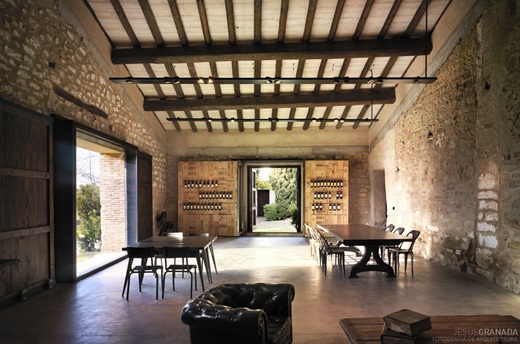
Also within this landscape is Bodega Viñedos del Contino in Laserna, in the municipality of Laguardia. Created in 1973, it brought the château-style winery concept to Rioja and is organised around a vineyard estate with a particularly strong sense of identity. The manor house, surrounding vineyards and historic cellars create a setting where history and territory are closely intertwined. Here, the experience centres on the uniqueness of a vineyard understood as a world of its own.
Viñedos del Contino also carries a historical narrative that extends beyond contemporary winemaking. The estate and its buildings preserve references to local history, while the old cellars reinforce a sense of continuity between generations. The past is not presented as something static, but as part of a place that remains active. For visitors seeking a wine experience with a strong combination of landscape, architecture and memory, Contino is one of the most distinctive expressions of Bodegas CVNE.
The relationship between the different Rioja houses is one of the group’s greatest strengths. Cune, Viña Real and Viñedos del Contino offer different ways into the culture of Rioja. Haro brings origin and historical depth, Laguardia adds the force of the Alavese landscape, and Contino deepens the idea of the singular vineyard estate. Together they demonstrate that the richness of Bodegas CVNE lies in its diversity.
From Rioja to Ribera del Duero and Rías Baixas
The Bodegas CVNE story extends beyond Rioja into other wine landscapes in northern Spain. In Villalba de Duero, Burgos, Bodega Bela represents the group in Ribera del Duero. The winery combines a contemporary building with a vineyard landscape that gives the project a strong geographical identity. The name Bela is a tribute to Sofía, a descendant of Eusebio Real de Asúa, one of CVNE’s founders. The result is a place where family memory becomes architecture, vineyard and narrative.
Bela introduces a different visual and territorial language to Bodegas CVNE. Its contemporary architecture contrasts with the historic buildings of Rioja while keeping the vineyard at the centre of the experience. This diversity allows visitors to compare how wine changes when climate, soil, landscape and regional tradition change. In this sense, moving between wineries also means travelling between different wine cultures.
In Galicia, Bodegas CVNE brings an Atlantic identity through Bodega La Val in Aramtei, Pontevedra. Founded in 1985, La Val became part of the development of Rías Baixas and the region’s Albariño culture. Its wines are based on vineyards and on an understanding of a landscape in which climate, soils and the Miño river help shape the character of the wines. The experience extends the Bodegas CVNE universe toward the freshness and Atlantic identity of Albariño.
La Val demonstrates that Bodegas CVNE does not simply replicate one model across every winery. In Rías Baixas, the territory demands different varieties and a different relationship with the landscape. Its vineyard parcels and soil diversity reveal nuances that are central to the character of the region. For visitors, this creates a valuable insight into one of wine’s central ideas: place matters as much as technique.
Between Rioja, Ribera del Duero and Rías Baixas, Bodegas CVNE creates a route through some of northern Spain’s most recognisable wine territories. Each winery adds its own history, landscape and method of interpretation. Haro represents the origin, Rioja Alavesa brings architecture and mountain into the experience, Contino focuses on the singular vineyard estate, Bela explores Ribera del Duero and La Val reveals the Atlantic side of northern Spain. Together they create a cultural experience that allows visitors to discover Spain through its wine landscapes.
The Bodegas CVNE experience: wine, architecture and landscape
One of the defining strengths of Bodegas CVNE is its ability to turn winery spaces into experiences that go beyond tasting. Visits connected to its houses can include historic buildings, production halls, cellars, vineyards, viewpoints and distinctive architectural elements. The visit becomes multisensory because hearing the story of a winery is part of the same experience as observing its relationship with the landscape. The setting becomes part of the story itself.
Architecture plays a particularly important role across the Bodegas CVNE portfolio. The original winery in Haro preserves the character of a historic complex; Viña Real merges architecture with the terrain; Contino retains the personality of a manor house surrounded by vineyards; Bela adopts a contemporary language; La Val reflects the identity of Rías Baixas. All these places share a common idea: the winery is not a neutral background but a way of expressing the identity of the wine.
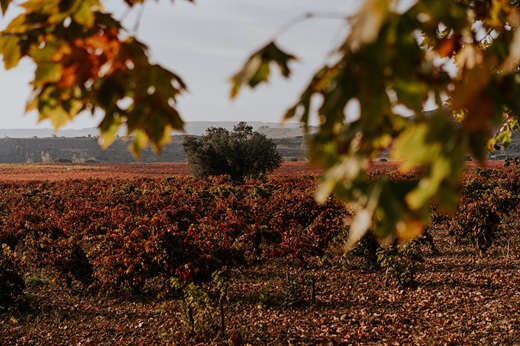
Landscape is equally important. In Rioja, vineyards and gentle terrain help explain the relationship between the wineries and their surroundings. At Contino, the estate becomes the central character. At Bela, the continental landscape of Ribera del Duero accompanies the experience. At La Val, the Atlantic environment changes the light and atmosphere. Each destination shows how territory transforms the experience of the visitor.
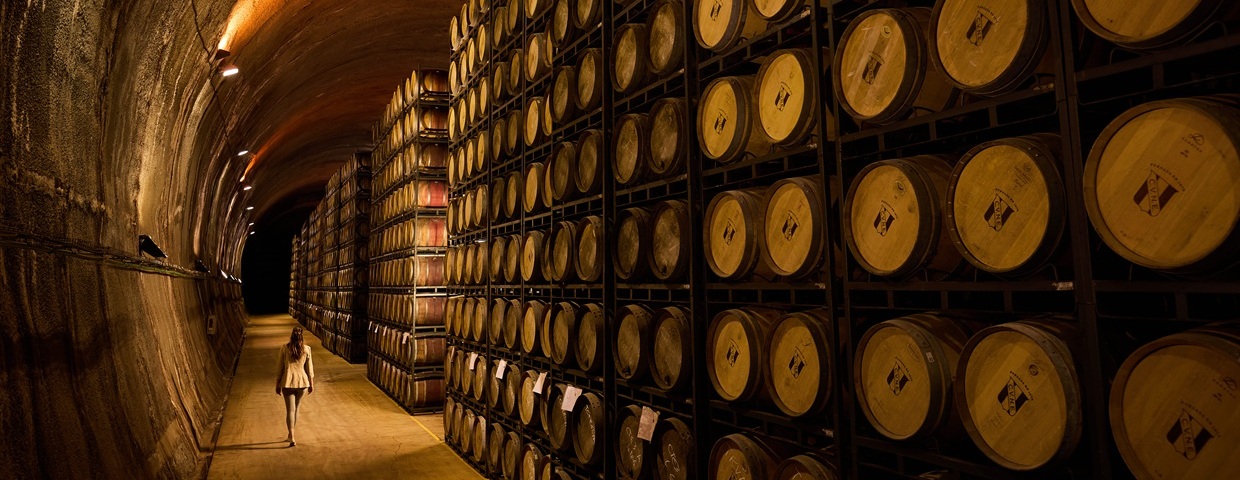
There is also a strong sense of time. A winery speaks of harvests, ageing, patience and evolution; visiting one means entering a world in which time moves differently. Barrels and bottles stored for years make waiting tangible. Compared with the immediacy of many other cultural formats, Bodegas CVNE offers an experience in which patience is part of the value.
The experience also has an inherently social dimension. A winery visit can be shared by couples, friends or families. Wine provides the connecting thread, while conversation, landscape, gastronomy, architecture and memory become part of the experience. This makes Bodegas CVNE relevant to different audiences, from experienced wine enthusiasts to people discovering wine culture for the first time. The emotional connection with the place can become one of the most memorable elements.
Bodegas CVNE as a cultural experience in Spain
The significance of Bodegas CVNE goes beyond wine production. Its history forms part of a culture of heritage, knowledge transfer and regional identity. A historic winery can function simultaneously as an archive, a production space, a visitor destination and a cultural meeting point. Bodegas CVNE represents this understanding of wine as living heritage, capable of connecting the past and present.
This cultural dimension is especially visible in the cities and villages where the wineries are located. Haro has an identity inseparable from its wine quarter; Laguardia and Laserna are deeply connected to the Rioja Alavesa landscape; Villalba de Duero forms part of Ribera del Duero; Aramtei and Salvaterra de Miño are part of the wine culture of Rías Baixas. Visiting these places means changing more than wineries: the visitor changes context, architecture, landscape and tradition. Each destination contributes to the meaning of Bodegas CVNE.
The range of appellations strengthens this cultural perspective. Rioja, Ribera del Duero and Rías Baixas have distinct languages and different approaches to land and wine. Bodegas CVNE brings these identities together within one family project, making the richness of Spanish viticulture easier to experience and compare. The result goes beyond tasting because discovering a winery becomes a way of discovering a territory.
Within cultural tourism, this approach connects with the search for more authentic and place-based experiences. Visitors want to understand how communities live, which products define local identity and which landscapes form part of collective memory. Wine naturally brings agriculture, history, gastronomy and architecture together. Bodegas CVNE offers that meeting point through spaces where visitors can experience wine culture from the inside.
The contemporary dimension remains equally important. Innovation in winemaking, technology and winery design shows that tradition does not mean standing still. Bodegas CVNE maintains continuity while incorporating new methods and solutions. This demonstrates how tradition can remain relevant while continuing to evolve.
Why experience Bodegas CVNE
Some experiences are memorable because of what happens during a few hours; others remain because they change the way a place is perceived. Bodegas CVNE belongs to the latter category because wine becomes a gateway to several different territories. In Haro, family history meets Rioja heritage; in Laguardia, architecture merges with the mountain; in Contino, a vineyard estate carries centuries of landscape; in Bela, vineyard and contemporary architecture meet Ribera del Duero; in La Val, Albariño connects with Galicia’s Atlantic identity. Every visit tells a different story.
For people interested in wine, the experience also provides a way to approach winemaking from a broader perspective. It is not simply about the finished bottle, but about vineyard plots, grape varieties, production methods, ageing, architecture and the people involved. This wider view helps explain why wines can share a family identity while expressing very different personalities. The territory becomes the main character.
The experience can also appeal to visitors who see travel as a way to learn. A historic winery provides context, encourages questions and creates an opportunity for deeper conversations about wine. Depending on the venue, the experience may connect with gastronomy, landscape or architecture. In every case, curiosity finds a natural place.
The connection with the surrounding environment becomes especially powerful when each winery is considered within its city or landscape. A visit to Bodega CUNE leads into the origins of the company in Haro; Bodega Viña Real connects the visitor with Laguardia and Rioja Alavesa; Bodega Viñedos del Contino brings the visitor to Laserna; Bodega Bela introduces Ribera del Duero; and Bodega La Val reveals the personality of Rías Baixas. Choosing an experience therefore also means choosing a landscape and a particular way of living wine culture.
Bodegas CVNE can attract wine enthusiasts as well as visitors who simply enjoy discovering remarkable places. Architecture may be the first point of interest, family history the second, landscape the third, and curiosity about a wine region the fourth. There is no single entry point. This breadth gives Bodegas CVNE the ability to connect with different audiences without losing its identity. The experience begins before the wine is tasted.
Ultimately, emotion comes from entering places where the past remains tangible. Barrels, vineyards, old walls, galleries, courtyards and contemporary structures create settings that cannot be separated from their context. At Bodegas CVNE, the visitor is not simply watching a process but entering a continuing story. This mixture of authenticity, landscape and memory creates an experience that remains after the visit ends.
As a project with deep roots and a forward-looking outlook, Bodegas CVNE offers several ways of understanding wine culture. It is family history and innovation, tradition and exploration, Rioja and also Ribera del Duero and Rías Baixas, product and territory, architecture and landscape. Its strength is the ability to preserve a common identity while giving every winery its own voice. That balance is at the heart of Bodegas CVNE as a cultural experience.
The different Bodegas CVNE houses form a route through some of northern Spain’s most representative wine regions. Haro offers the origin; Laguardia the identity of Rioja Alavesa; Laserna the singular vineyard estate; Villalba de Duero the character of Ribera del Duero; Aramtei the freshness of Rías Baixas. The result is a map in which every stop adds a new layer. The experience is not only about visiting wineries, but about discovering how wine changes when place changes.
A visit to Bodegas CVNE can therefore become an essential part of a cultural escape through La Rioja, Álava, Burgos or Pontevedra, especially for people who want to combine culture, landscape and gastronomy. Rather than offering one fixed narrative, the different houses allow visitors to build their own relationship with each place. The result is an experience lived with curiosity, calm and emotion.
At a time when cultural experiences are increasingly valued for their authenticity, Bodegas CVNE draws its strength from what cannot be relocated: its buildings, vineyards, towns and the memory of a family connected to wine for generations. That authenticity turns each visit into an opportunity to see a region differently. Wine becomes another way of telling the story of a place.
The experience reaches its full meaning when visitors realise that every house represents a different part of the same heritage. Cune looks toward history; Viña Real toward the relationship between architecture and landscape; Contino toward the singular vineyard estate; Bela toward the modern identity of Ribera del Duero; La Val toward the diversity of Albariño and Atlantic culture. Together they create a narrative in which diversity becomes identity.
Bodegas CVNE therefore offers a thoughtful and sensory way to explore Spanish wine culture. Architecture invites observation, landscapes invite exploration, history invites attention and wine invites interpretation. Each house proposes a different experience without losing its connection to the larger group. For visitors looking for distinctive cultural activities, the Bodegas CVNE universe combines depth, beauty and context.
From the historic spaces of Haro to the vineyards of Rioja Alavesa, the architecture of Bela and the Atlantic character of La Val, Bodegas CVNE presents a plural reading of Spanish wine. More than a century of history coexists with new landscapes and new ways of experiencing wine tourism. The essence remains in the combination of family, territory and knowledge. Bodegas CVNE is ultimately a way of experiencing wine where it is born.
Visiting any of its wineries can be a way to slow down, observe and better understand the relationship between landscape, time and wine. No specialist knowledge is required to appreciate that connection; curiosity is enough to discover a region from within. In that balance between knowledge and emotion, Bodegas CVNE offers an experience shaped by heritage, landscape and meaning.
In this way, the towns and venues associated with Bodegas CVNE are not simply locations but part of the experience itself. Haro, Laguardia, Laserna, Villalba de Duero and Aramtei provide context and identity, while their wineries stage a story that continues to evolve. The result is a route through northern Spain that invites visitors to understand wine from its origins and recognise that every bottle is connected to a territory. Wine culture becomes a culture of place.
Useful info about Bodegas CVNE
What is Bodegas CVNE?
Bodegas CVNE is a family wine group with roots dating back to 1879, bringing together wineries and projects in regions including Rioja, Ribera del Duero and Rías Baixas. Its identity combines tradition, innovation and a strong connection to the land.
What kind of experience does Bodegas CVNE offer?
The experiences revolve around wine, history, architecture, vineyards and landscape. Each winery has its own personality and offers a different way to approach Spanish wine culture through a sensory and cultural experience.
What is the live experience like at Bodegas CVNE wineries?
The experience depends on the venue and can include historic spaces, distinctive architecture, ageing areas, vineyards and elements connected with wine heritage.
Where do Bodegas CVNE experiences take place?
Available venues include Bodega Viñedos del Contino in Laserna, Bodega Viña Real in Laguardia, Bodega CUNE in Haro, Bodega La Val in Aramtei and Bodega Bela in Villalba de Duero.
Where can I buy official tickets for Bodegas CVNE experiences?
Official tickets for the available experiences can be checked and purchased through entradas.com, where visitors can also find the programming associated with each venue.