Faunia Madrid offers a journey through biodiversity, combining animal observation, educational content and family entertainment. Located in Valdebernardo, in Madrid's Vicálvaro district, this nature park introduces environments from different parts of the planet without leaving the capital. The visit connects indoor and outdoor spaces, with facilities introducing people to very different species and ecosystems and making curiosity about the natural world the starting point of the experience.
The park's identity centres on its recreated ecosystems, where vegetation, temperature, light and humidity contribute to the presentation of different habitats. Moving between environments allows visitors to appreciate contrasts and connect animals with the conditions of their places of origin. This approach provides a common thread for discovering nature, whether on an outing with children, spending time with friends or exploring Madrid during a holiday.
The Faunia Madrid venue page provides information to help prepare the journey and organise the day. Choosing areas of interest and checking the programme makes it easier to adapt the route through Faunia to the time available. The experience combines observation, learning and breaks, leaving room to spend longer with a species that captures someone's interest or discover details in an environment that deserves a closer look.
An approach inspired by nature
La Jungla, Los Polos, Bosque Africano and Bosque Templado are among the environments defining Faunia's offering. These habitats and ecosystems connect animal diversity with recognisable settings, from tropical forests to cold landscapes. The design of the spaces gives the route context and helps visitors understand that each species is linked to particular environmental conditions, resources and ways of life.
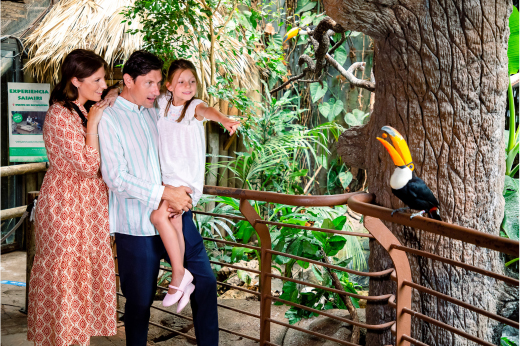
La Jungla draws inspiration from the Amazon rainforest, introducing a tropical setting where visitors can discover animals such as manatees, marmosets and birds. A recreated tropical storm adds a sensory dimension to this part of the experience, depending on the available programme. Observing the surroundings offers a chance to notice how sounds, vegetation and conditions differ from other parts of the park.
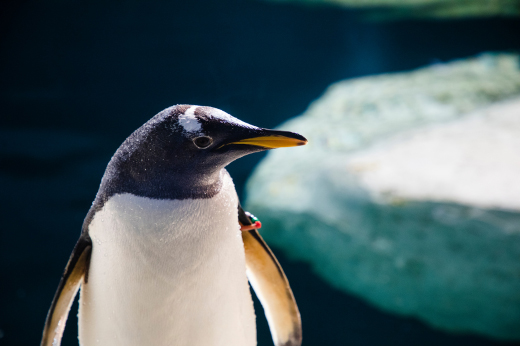
In Los Polos, penguins introduce another form of adaptation to the environment. Watching them move in and out of the water prompts questions about their diet, feathers and way of life. This part of the route contrasts with the tropical setting and can start conversations about the diversity of birds, showing that they do not all interact with their surroundings in the same way or inhabit similar regions.
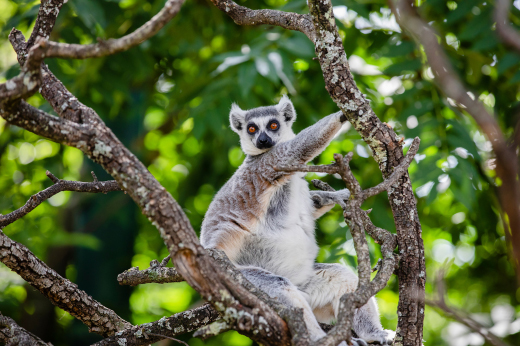
Bosque Africano is inspired by Madagascar and offers the chance to discover lemurs, while Bosque Templado introduces other landscapes and species. The differences between these environments broaden the perspective of the visit: recognising an animal is only the beginning of understanding where it lives and what characterises its surroundings. Comparing areas also encourages visitors to notice the vegetation and discover its role within each habitat.
The live experience: an immersive route
A visit to Faunia Madrid combines different animal areas and opportunities to observe wildlife along the route. Animal observation creates an experience shaped by the details each visitor notices: a way of moving, interactions between individuals or the use of a space may capture their attention. Allowing time for these stops helps people enjoy the park without turning the day into a succession of areas explored in a hurry.
Alongside the animals in its main ecosystems, Faunia is home to species such as the Komodo dragon, adding the opportunity to discover this large reptile. Areas dedicated to nocturnal life and other environments expand the themes of the visit and introduce less familiar ways of life. This variety is useful for visitors wanting to explore different interests, from mammals and birds to reptiles.
Educational talks complement the route with explanations about animals such as penguins, lemurs, manatees and Komodo dragons, according to the programme. They build on what visitors have observed and introduce species characteristics, habits and conservation topics. Checking the sessions planned for the chosen day makes it easier to include those that interest the group and divide the available time between different animal areas.
Educational demonstrations include activities about marine mammals, birds of prey and exotic birds. These offer another way to learn about animals and can form part of the day's itinerary. Check the schedule for the date of the visit and confirm it on arrival, as the programme may vary. Organising stops around a chosen session helps combine independent exploration with opportunities for guided learning.
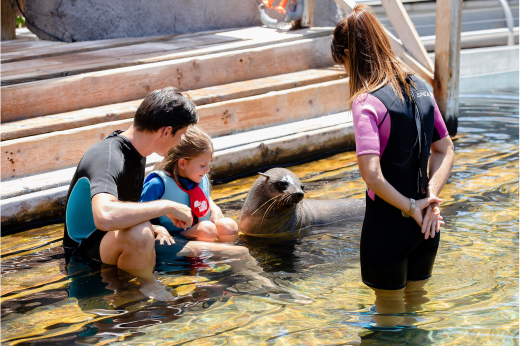
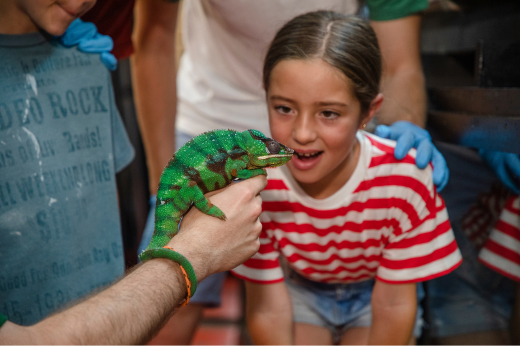
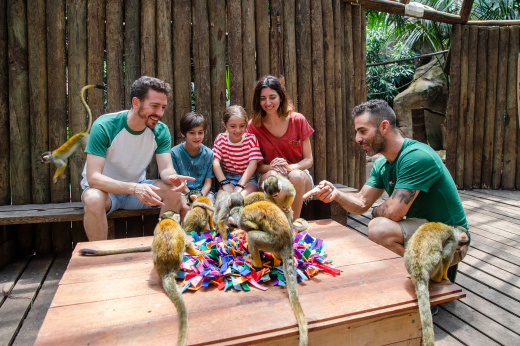
The park also offers animal experiences, including Expedición Polar and activities involving manatees. These are additional activities with specific conditions and should be distinguished from general admission. Before planning one of these experiences, check availability, participation requirements and booking arrangements: purchasing an animal interaction does not itself include admission to Faunia.
Faunia Madrid within the city's cultural offering
Among the things to do in Madrid, Faunia offers an outing centred on nature and environmental education. Its address is Avenida de las Comunidades, 28, in Valdebernardo, within the Vicálvaro district. This location allows visitors to organise an outing within the city and add the discovery of the animal world to leisure plans that may also include other cultural activities, adapting the day to individual preferences.
For public transport, EMT bus route 71 connects Plaza de Manuel Becerra with the park entrance. Another option is to take the Metro to Valdebernardo on line 9 and complete the journey to the venue. Choosing a combination according to the starting point and checking return services helps visitors prepare their journey with a clearer idea of the time available for the park.
The route combines indoor and outdoor spaces, so planning can take account of both the areas visitors want to explore and the day's weather conditions. Alternating environments and allowing for breaks helps adapt the pace to the group's needs. Further location information is available on the Faunia Madrid page on entradas.com, helping visitors prepare before setting off.
The park's educational role is also reflected in its school visits, with independent, guided and themed options adapted to different educational levels. These activities allow groups to explore animals and ecosystems in a setting beyond the classroom. Schools and groups should check the available options and their conditions, as organising a specific educational activity involves different needs from those of an individual visit.
Reasons to visit Faunia Madrid
The combination of animals, recreated environments and educational content provides a family activity in Madrid with different points of interest. Some visitors want to spend longer with the penguins; others are drawn to lemurs, reptiles or tropical spaces. Sharing these preferences helps shape the route and allows each person to find their own way of participating in a day spent together.
Checking the Faunia map and opening hours before visiting helps people identify areas and select activities to include. Opening and closing times depend on the calendar, so check the specific date and last admission time. This preparation offers a starting point for organising the day while leaving room to change the itinerary according to the interest each area generates.
The length of the visit depends on the group's pace, stops to watch animals and any talks or activities they wish to attend. Allowing time for observation and rest makes it easier to enjoy the route without rushing. When visiting with children, choosing a few priority areas and alternating them with breaks helps sustain curiosity and avoids turning the experience into a race to complete every part of the park.
The value of a visit also lies in questions and conversations that may continue afterwards: how animals live, what distinguishes their habitats or how everyday life relates to conservation. Environmental education gives continuity to discoveries made during the day. Faunia invites people to spend time together, observe closely and broaden their understanding of biodiversity through a nature experience within Madrid.
Useful info about Faunia Madrid
What is Faunia Madrid?
Faunia is a nature park in Madrid combining animal observation with routes through recreated ecosystems and educational activities. Its offering introduces different habitats and opportunities to learn about biodiversity during a leisure visit.
What is the Faunia experience like?
The visit combines indoor and outdoor spaces, animal observation and educational content. The route can reflect the group's interests and include talks and educational demonstrations available on the chosen day.
Where is Faunia Madrid?
Faunia is at Avenida de las Comunidades, 28, 28032 Madrid, in Valdebernardo, within the Vicálvaro district. Location information is available on the Faunia Madrid venue page.
How do you get to Faunia?
EMT bus route 71 runs from Manuel Becerra to the park entrance. You can also take the Metro to Valdebernardo on line 9 and complete the journey to the venue. Check the route according to your starting point.
What are Faunia's opening hours?
Opening and closing times vary according to the calendar and season. Check your chosen date, the last admission time and the educational activity programme before travelling.
Which animals can you see at Faunia?
Faunia is home to animals such as penguins, lemurs, manatees, marmosets and Komodo dragons, among other species. The route includes environments such as La Jungla, Los Polos, Bosque Africano and Bosque Templado.
Is it a suitable outing for children?
Faunia supports family visits centred on animals and learning. Adapt the itinerary to children's ages and interests, allow time for breaks and check participation requirements for any selected activities.
How long does a Faunia visit take?
The duration depends on the areas you want to explore, the time spent watching animals and the activities selected. Allow room to combine the route with breaks and adapt your plans to the day's opening hours.
Are animal interactions included in admission?
Animal interactions are additional experiences with their own conditions. Purchasing an interaction does not include admission to Faunia: check both forms of access, availability and booking requirements before organising the activity.
How much are tickets for Faunia?
Prices may vary according to the date, ticket category and available conditions. Check what each option includes, admission validity and applicable conditions before completing a purchase.
Where can you buy official Faunia tickets?
You can check official tickets for Faunia Madrid on entradas.com. Review availability for the chosen date, admission options and ticket conditions before confirming your visit.