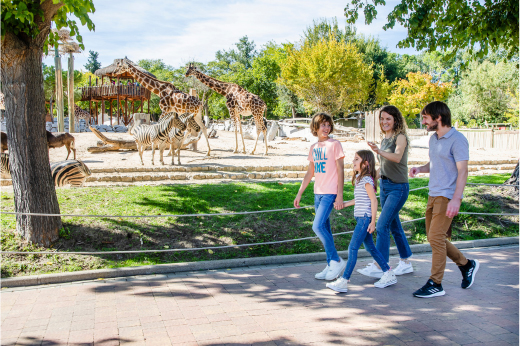
Zoo Aquarium de Madrid combines a zoo, an aquarium and environmental education in Casa de Campo, one of the Spanish capital's major green spaces. It brings together land animals, birds and marine life in a visit that encourages people to observe species from different continents and discover the diversity of their habitats. The experience offers a day of nature within Madrid, combining the discovery of animals with opportunities to rest and learn together as a family.
A visit to Madrid Zoo is an opportunity to encounter very different forms of life and explore the relationships between animals and their surroundings. Observation and curiosity provide a thread throughout the experience: identifying a species, noticing its behaviour or understanding how it feeds can prompt new questions about the natural world. Whether visitors already know the zoo or are discovering it for the first time, there are different ways to explore its biodiversity.
The combination of outdoor areas, spaces dedicated to different animals and the marine section allows visitors to shape the day around their interests. The Zoo Aquarium de Madrid venue page provides information to help prepare for a visit. Planning the route in advance makes it easier to choose which areas to explore, allow for breaks and enjoy the zoo at a pace that suits the group.
An icon of leisure and nature in Madrid
Zoo Aquarium de Madrid is part of the capital's family leisure offering, bringing together different ways to discover the animal world in a single venue. Its identity combines encounters with land animals and the exploration of aquatic life, so the visit extends beyond a single type of ecosystem. This variety allows visitors to connect what they see in different areas and understand that biodiversity encompasses very different environments, body sizes and forms of adaptation.
Animals originating from different continents give the route a geographical and educational dimension. Learning where species come from helps explain their relationship with climate, vegetation and food, as well as the threats that may affect their populations in the wild. The visit can therefore provide an opportunity to place each animal in a wider context, rather than simply recognising its appearance or remembering its name.
Conservation and public education form part of the zoo's work, including participation in programmes involving threatened species and the development of environmental learning activities. Learning about biodiversity connects a leisure outing with the importance of protecting habitats. For families, students and people interested in nature, this perspective adds substance to the experience and can lead to conversations about everyday issues, including caring for the environment and using resources responsibly.
An immersive experience for visitors of different ages
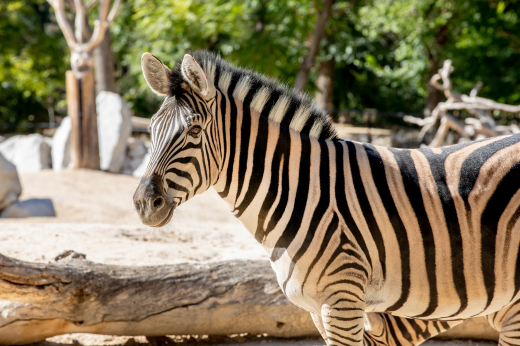
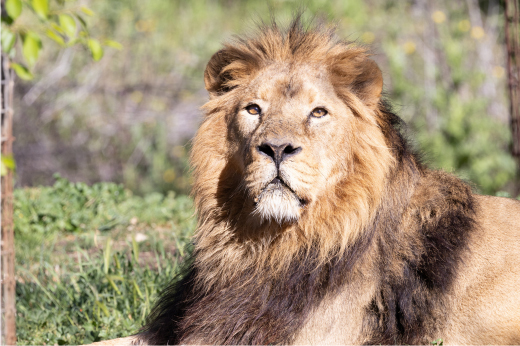
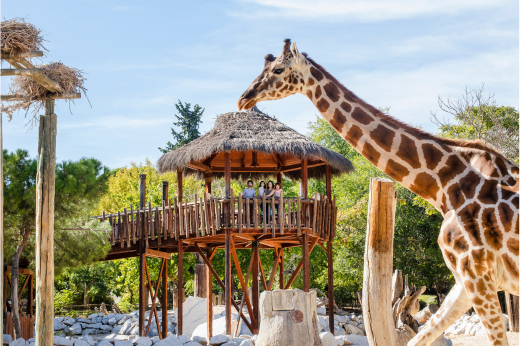
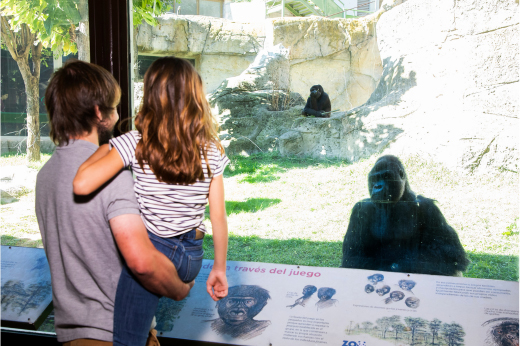
A route through Zoo Aquarium de Madrid offers the chance to discover animals such as giant pandas, gorillas and giraffes, alongside other species that capture the interest of visitors of different ages. The variety of animals creates different points of interest throughout the day. Some people prefer to spend longer watching large mammals; others enjoy observing birds or devoting more time to the aquarium. Choosing stops around these preferences helps make each visit more personal.
Taking time to observe allows visitors to notice details that a quick walk might miss: how animals move, how individuals interact or how they use their surroundings. Seeing animals is also an opportunity to develop observation skills. Following the venue's instructions, behaving respectfully and avoiding disturbance helps visitors enjoy the experience with consideration for animal welfare and for the other people sharing the space.
The zoo's educational activities include sessions about sea lions, exotic birds and birds of prey, depending on the available programme. These activities offer explanations about behaviour, characteristics and conservation, complementing the route through the different animal areas. Check which sessions are scheduled for the day of the visit, as their availability and times should not be taken for granted when organising the outing.
For families, the experience can combine discovery and conversation without the need to follow a hurried itinerary. Adapting the pace to children's ages and interests encourages a more engaged visit: choosing which animals to see together, discussing observations and allowing time for rest can help sustain their interest. School groups also have access to specific educational proposals, whose participation requirements and availability should be checked separately.
The Aquarium: a window into the marine world
The Aquarium introduces marine life to the Zoo Aquarium de Madrid experience, extending the visit beyond the land animal areas. Sharks, rays and tropical fish reveal other ways of inhabiting the planet. Observing their movements, outlines and relationship with the water offers a change of perspective during the day, particularly for visitors interested in the oceans and the diversity of the animals that live in them.
The aquarium's species include the sandbar shark, providing an opportunity to learn about these animals beyond familiar film stereotypes. Watching sharks can prompt questions about their biology and environment. Comparing the way they swim with other fish, recognising differences in their bodies or reading the available information turns initial curiosity into a process of discovery that adults and children can share.
A visit to the aquarium can also encourage reflection on the relationship between everyday life and aquatic ecosystems. Discovering marine animals can start a conversation about caring for water and the oceans. Connecting this part of the visit with the rest of the zoo helps bring different environments together and shows that nature does not exist in isolated compartments: animals depend on conditions and resources that are worth understanding and protecting.
A distinctive location in Casa de Campo
Zoo Aquarium de Madrid is located in Casa de Campo, within the city of Madrid. Its setting makes it possible to organise a day of nature and family leisure in the capital itself, whether visitors live locally or are exploring the city. The green surroundings contribute to the character of the experience and provide a different setting from other urban itineraries, with the option of adding a walk if the weather and the group's pace allow.
To reach Zoo Aquarium de Madrid by public transport, take the Metro to Casa de Campo on lines 5 and 10, then continue on foot. EMT bus route 33 stops at the zoo entrance and connects with Príncipe Pío. Choosing the route according to your starting point makes the day easier to organise.
When planning the journey, allow for both arrival and the return trip, as well as the time available to explore the zoo. Checking how to get to Zoo Aquarium de Madrid helps tailor the day to each group, particularly when travelling with children or using several forms of transport. The Zoo Aquarium de Madrid page on entradas.com brings together venue information to support the rest of the planning.
A nature and learning experience in Madrid's cultural calendar
Among the things to do in Madrid, the zoo offers an outing centred on nature and shared learning. The combination of zoo and aquarium brings different interests together in a single visit, from enthusiasm for large mammals to curiosity about birds or marine species. This variety can be helpful when organising a day with people of different ages, allowing everyone to find their own interests without focusing on exactly the same aspects of the route.
Preparing for the visit means checking the opening calendar, Madrid Zoo opening times and the programme for the chosen date. Opening hours can vary by day and season, so checking them before travelling is advisable. It also helps to decide which areas to prioritise and leave room for breaks, changes of pace and any educational activities that fit into the day's plans.
The length of the visit depends on the time spent at each animal area, interest in the aquarium and the group's need for breaks. Allowing enough time makes it easier to enjoy a more relaxed visit, without turning the day into a succession of brief stops. There is no need to explore every area at the same pace: spending longer with a species that sparks an interest can add more to the experience than moving through everything without time to observe.
A shared day at Zoo Aquarium de Madrid can leave visitors with questions, discoveries and conversations that continue after the visit. The connection between leisure, observation and environmental education gives the route a common purpose. From the first encounters with animals to the exploration of marine life, the experience encourages people to look more closely at biodiversity and enjoy time together in one of the capital's nature destinations.
Useful info about Zoo Aquarium de Madrid
What is Zoo Aquarium de Madrid?
It is a leisure and environmental education venue combining a zoo and an aquarium in Casa de Campo. Visitors can discover land animals, birds and marine species, with opportunities for observation and learning for people of different ages.
Where is Zoo Aquarium de Madrid?
It is in Casa de Campo, Madrid. You can find information about its location and prepare for the visit on the Zoo Aquarium de Madrid venue page.
How do you get to Zoo Aquarium de Madrid by public transport?
Take the Metro to Casa de Campo on lines 5 and 10, then continue on foot. EMT bus route 33 also stops at the entrance and connects with Príncipe Pío.
What are Zoo Aquarium de Madrid's opening hours?
Opening and closing times depend on the calendar and season. Check the hours for your chosen date before travelling and look up the programme for any educational activities separately.
Which animals can you see at Madrid Zoo?
The zoo is home to species such as giant pandas, gorillas and giraffes, as well as birds and marine life. The aquarium includes animals such as sharks, rays and tropical fish, complementing the route through the land animal areas.
What educational activities does Zoo Aquarium de Madrid offer?
Its programme includes educational activities about animals such as sea lions, exotic birds and birds of prey. Check the sessions available for your chosen day. Specific activities for schools and groups may have different participation requirements.
Is it a suitable outing for children?
The variety of animals and the aquarium make it possible to organise a family visit with different points of interest. Adapt the route to children's ages, include time for breaks and choose activities that reflect their interests.
How long do you need to visit Zoo Aquarium de Madrid?
The duration depends on the group's pace, the areas you want to explore and the activities you choose. Allow enough time to visit the zoo and aquarium, stop to watch the animals and take breaks throughout the day.
How much are tickets for Zoo Aquarium de Madrid?
Prices may vary depending on the date, ticket category and the conditions available when you check. Review what each option includes, the validity of admission and any applicable conditions before completing a purchase.
Where can you buy official tickets for Zoo Aquarium de Madrid?
You can check official tickets for Zoo Aquarium de Madrid on entradas.com. Review availability for your chosen date, admission options and ticket conditions before confirming your visit.