Loro Parque in Puerto de la Cruz brings biodiversity, education, conservation and entertainment together in an experience designed to explore the animal world from many different perspectives. More than 400 species, lush vegetation, educational presentations and immersive habitats are part of a visit to
Loro Parque, one of Tenerife's major attractions for families, travellers and nature lovers.
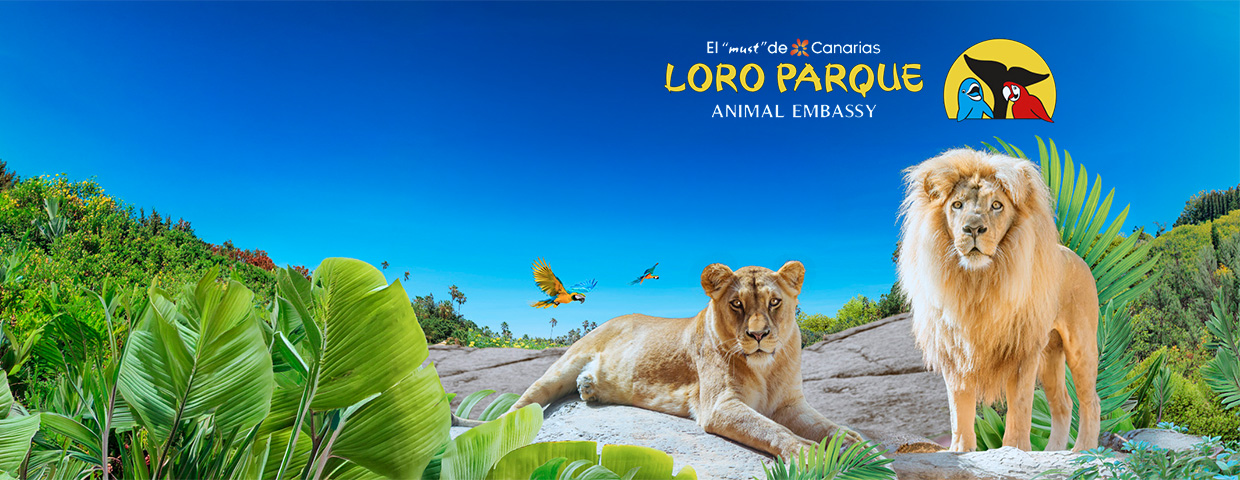
The park is home to great apes, cetaceans, felines, birds, fish and many other animals representing very different ecosystems. This remarkable variety of wildlife allows visitors to move from gorillas and red pandas to penguins, dolphins, parrots, hippos or lions during the same journey through the park.
Immersive environments add another dimension to the experience by recreating settings associated with particular species and ecosystems. Areas devoted to birds, marine life, penguins and nocturnal animals introduce very different atmospheres throughout the route. The combination of wildlife and immersive experiences gives every part of the park its own identity.
Loro Parque in Puerto de la Cruz: biodiversity in Tenerife
Located in Puerto de la Cruz, Loro Parque forms part of one of northern Tenerife's best-known destinations. Dense vegetation and carefully differentiated habitats accompany visitors as they encounter species from different parts of the world. The Tenerife setting gives the experience an additional sense of place, connecting wildlife, leisure and discovery.
The park is designed as a succession of contrasting natural worlds. One area may focus on tropical birds, while the next introduces mammals, aquatic ecosystems or species associated with polar environments. This contrast between habitats helps maintain a sense of curiosity throughout the day.
Vegetation plays an important role in the overall atmosphere. It is not simply decorative but helps create distinctive spaces, separate different areas and give the route a more natural character. The presence of lush vegetation and landscaped environments makes walking through the park an experience in itself.
For travellers staying in Tenerife, Loro Parque offers a different perspective from the island's beaches, volcanic landscapes and coastal towns. Here, the destination can be experienced through biodiversity, environmental education and encounters with species that many visitors have previously seen only in documentaries. This different side of Tenerife broadens the island's leisure offering.
More than 400 species and an exceptional variety of animals
One of Loro Parque's defining features is the scale of its zoological collection, which includes more than 400 species. Great apes, cetaceans, felines, birds and aquatic animals form part of an experience that reveals many different forms of life. This diversity of species turns the visit into a continuous sequence of discoveries.
Parrots, dolphins, gorillas, hippos, lions, red pandas, penguins and capybaras are among the animals visitors may encounter, alongside many other species. Each group introduces different behaviours, adaptations and ecological contexts. This rich variety of wildlife gives both children and adults new points of interest throughout the day.
Birds have a particularly important place in the identity of Loro Parque. The history of the park has long been connected to parrots, and that relationship remains visible in areas devoted to their observation and interpretation. The diversity of birdlife highlights the extraordinary range of colours, behaviours and ecological roles found within this group of animals.
Large mammals provide a completely different scale of experience. Watching gorillas, hippos, lions and other species makes it possible to appreciate their size, movement and behaviour in a much more immediate way. These encounters with large mammals can become some of the most memorable moments of the route.
Aquatic life also plays a significant role. Fish, corals, jellyfish and other marine organisms expand the experience beneath the surface of oceans and rivers. This exploration of marine biodiversity introduces another perspective on the enormous variety of life represented in the park.
Planet Penguin, Katandra Treetops and immersive experiences
Loro Parque includes several immersive environments designed to bring visitors closer to particular ecosystems through scenery, vegetation, climate and the structure of each habitat. These spaces complement the wider zoological route and transform observation into a more immersive wildlife experience.
Planet Penguin recreates a polar setting with penguins as its central characters. Snow, ice and an environment inspired by Antarctica create an immediate contrast with the climate outside. The polar atmosphere of Planet Penguin gives visitors an opportunity to watch these birds in a setting designed to evoke their natural world.
Katandra Treetops offers a completely different atmosphere. Walkways and vegetation introduce visitors to an Australian-inspired environment where birds can fly at close range. This close encounter with free-flying birds creates a particularly dynamic and visually engaging experience.
Oceanía continues the focus on birdlife through a habitat devoted to species from this part of the world. Australian parakeets and other birds can be observed from close range, allowing visitors to appreciate colours, movement and behaviour in detail. The proximity to the animals adds particular appeal for nature enthusiasts and photographers.
La Gruta changes the tone again by introducing the secretive world of bats. Its darker environment creates a setting associated with these nocturnal mammals and offers a different pace from the more open areas of the park. This journey into nocturnal wildlife reveals animals that are often difficult to observe in everyday life.
The aquarium and marine ecosystems at Loro Parque
The aquarium opens a window onto marine and freshwater environments. Different fish and coral species reveal a remarkable variety of colours, shapes and behaviours, while the shark tunnel offers one of the most immersive viewpoints. This underwater perspective creates the impression of marine life moving around the visitor.
Aquatic environments provide a natural contrast with the areas dedicated to mammals and birds. The movement of fish, the shapes of corals and the lighting create a calmer rhythm that encourages observation. This variety of marine habitats adds another layer to the changing atmosphere of the route.
AquaViva explores this underwater world through jellyfish, tropical fish and other marine species. The translucent shapes and slow movements of jellyfish create a particularly distinctive visual environment. The beauty of underwater life becomes one of the most sensory aspects of the visit.
These areas also help show how much biodiversity exists beneath the surface of oceans and rivers. Their visual impact can become a starting point for greater interest in ecosystems that are often less accessible to the public. Curiosity about aquatic ecosystems therefore becomes part of the educational dimension of the experience.
Educational presentations with parrots, sea lions, dolphins and orcas
Animal presentations are another component of a visit to Loro Parque. Parrots, sea lions, dolphins and orcas take part in sessions that highlight behaviour, abilities and characteristics while incorporating educational information. The educational focus of the presentations helps visitors place what they see within a wider context.
Parrot presentations offer a close look at the intelligence, movement and learning abilities of birds closely associated with the history of the park. Their flight and behaviour place emphasis on the remarkable intelligence of birds and the different ways in which they interact with their environment.
Sea lions bring movement and energy to the experience through activities that reveal their agility both in and out of the water. Visitors can observe physical characteristics and behaviours from a closer perspective. The agility of marine mammals becomes an accessible way to learn more about these animals.
Dolphin presentations focus attention on behaviour, communication and sensory abilities. Movement and interaction provide an opportunity to appreciate the complexity of these cetaceans. This insight into cetacean behaviour adds educational context to the visual impact of the presentation.
Orcas provide another perspective on cetaceans. Their scale and power create a strong sense of presence, while educational content addresses the species and its relationship with the marine environment. The importance of protecting marine ecosystems becomes part of the wider story surrounding the presentation.
Conservation, research and environmental education
Conservation is one of the central themes associated with Loro Parque. Through its foundation, the wider project is linked to initiatives involving research, biodiversity and species protection in different parts of the world. This commitment to conservation provides additional context for the visitor experience.
Educational content throughout the park helps explain the animals on display and some of the pressures faced by species and ecosystems. Observation can therefore become more than a purely visual activity. The idea of knowledge supporting conservation strengthens the educational dimension of the visit.
This approach can be particularly meaningful for families. Seeing animals at close range naturally generates questions about habitats, food, behaviour and the natural world. Children's curiosity about wildlife can become an accessible introduction to broader ideas about biodiversity and conservation.
Adults can also discover unfamiliar species or revisit well-known animals from a different perspective. Combining information with direct observation encourages a more attentive relationship with nature. Environmental awareness therefore appears throughout the experience rather than being confined to a single area.
What is a visit to Loro Parque like?
A day at Loro Parque combines walking, wildlife observation, presentations and immersive environments. Different sections of the route offer changing levels of activity, allowing visitors to alternate between dynamic moments and quieter observation. This flexible pace makes it easier to adapt the experience to individual interests.
The range of species also means that the route can be approached in different ways. Bird enthusiasts may spend longer in aviaries, while other visitors may focus on primates, felines, marine mammals or aquatic life. The variety of the route ensures that the visit does not depend on a single attraction.
Immersive habitats introduce dramatic changes in atmosphere. Moving from tropical vegetation to Planet Penguin, from bird habitats to an aquarium or from landscaped gardens to a presentation creates a sense of continuous travel. This succession of natural worlds is one of the defining characteristics of Loro Parque.
Restaurants, children's areas and other services complement the zoological experience and help structure a full day at the venue. Rest, exploration and entertainment can therefore be combined within the same visit. This family-friendly experience has both a practical and educational dimension.
Loro Parque with children and families
The combination of animals, movement, colour and educational activities makes Loro Parque particularly accessible for families. Children can recognise familiar species and encounter new ones as they move through the different habitats. Learning through experience offers an intuitive way to engage with the natural world.
Planet Penguin, the aviaries and the aquarium all provide strong visual experiences capable of maintaining the attention of younger visitors. Presentations introduce more dynamic moments and can help shape the rhythm of the day. This variety of stimuli keeps the experience changing throughout the visit.
Seeing animals directly can also encourage family conversations about habitats, adaptation and conservation. A penguin, gorilla, parrot or dolphin can transform an abstract concept into something tangible. The connection between emotion and learning adds depth while preserving the recreational character of the visit.
Areas designed for children provide additional opportunities to alternate wildlife discovery with other forms of entertainment. This helps families adapt the pace of the day to different ages and interests. The result is a versatile family visit that can be experienced in several different ways.
Loro Parque as part of a visit to Puerto de la Cruz
The connection between Loro Parque and Puerto de la Cruz has become part of the tourism identity of northern Tenerife. The park adds an experience centred on wildlife and biodiversity to a destination otherwise known for its coast, landscapes and urban heritage. This connection with Puerto de la Cruz places the park firmly within the area's leisure offering.
For travellers exploring Tenerife, the park can easily become part of a broader itinerary around the north of the island. The contrast between Tenerife's outdoor scenery and the different environments within Loro Parque adds variety to the overall journey. This combination of tourism and nature offers another way to experience the destination.
Hundreds of species, contrasting habitats and educational presentations give the day a continuous sense of discovery. Each new area introduces another perspective on the animal world. Loro Parque therefore makes biodiversity the central theme of an experience shaped by exploration and curiosity.
A day of wildlife, nature and discovery
Memories of Loro Parque can take many different forms: a bird flying overhead, the presence of a gorilla, the slow movement of a jellyfish, the icy atmosphere around penguins or the scale of a large cetacean. This diversity of memorable moments reflects an experience that is not defined by a single attraction.
Entertainment and education are closely connected throughout the route. Every encounter with an animal can inspire curiosity, while each piece of information can change the way that animal is understood. The combination of emotion, knowledge and biodiversity captures much of the character of the park.
Among vegetation, birds, mammals, aquatic ecosystems and immersive habitats in Puerto de la Cruz, Loro Parque offers a day devoted to observing nature more closely. Its ability to bring together different species and environments makes the visit a continuous journey of discovery within one of Tenerife's most recognisable destinations.
Useful info about Loro Parque
What is Loro Parque?
Loro Parque is a zoological and conservation park in Puerto de la Cruz, Tenerife, featuring more than 400 species, immersive habitats, vegetation, educational activities and animal presentations.
What animals can you see at Loro Parque?
The park is home to many species, including parrots, dolphins, gorillas, hippos, lions, red pandas, penguins, capybaras and numerous marine animals.
What is the Loro Parque experience like?
The visit combines wildlife observation, gardens, educational presentations and immersive environments such as Planet Penguin, Katandra Treetops, the aquarium and other habitats inspired by different ecosystems.
Where is Loro Parque?
Loro Parque is located in Puerto de la Cruz, Tenerife, in the north of the island.
Is Loro Parque suitable for families?
Yes. The variety of animals, immersive spaces, educational presentations and children's areas makes it possible to adapt the visit to different age groups.
Where can I buy official tickets for Loro Parque?
Available options for purchasing official Loro Parque tickets can be found at entradas.com.