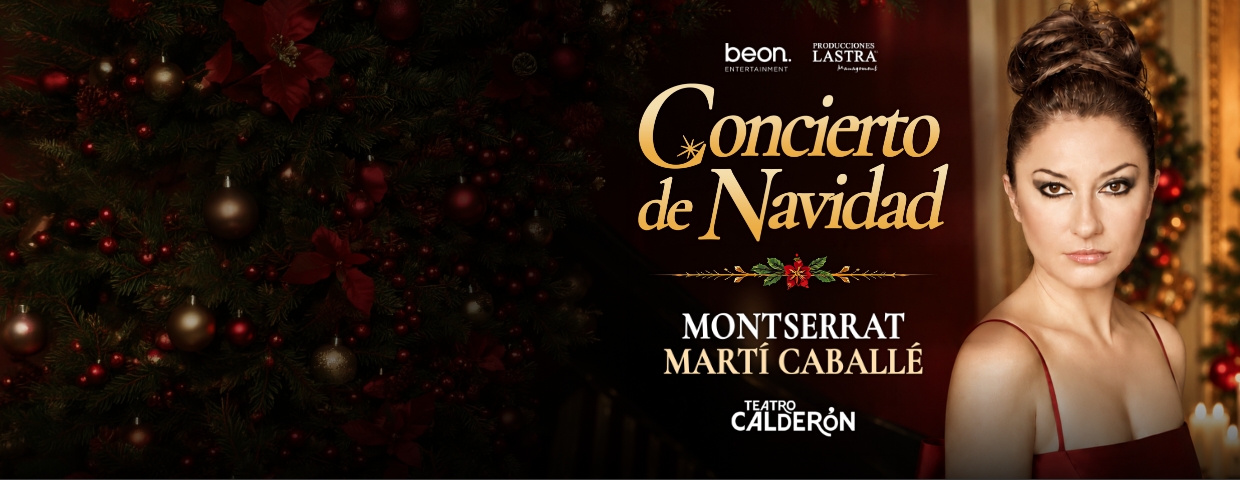
Montserrat Martí Caballé: a distinctive voice in classical singing
The emotion of classical singing finds a compelling voice in Montserrat Martí Caballé, a soprano whose work connects operatic tradition with the immediacy of live performance. Born in Barcelona, she has built a career across opera, recitals and concerts, appearing on international stages while maintaining a close connection to her family’s musical legacy.
The daughter of soprano Montserrat Caballé and tenor Bernabé Martí, Montserrat Martí Caballé grew up surrounded by music. Her own artistic journey has taken shape through experiences ranging from her early dance training to her work as a singer in opera houses and concert halls.
From dance to singing: Montserrat Martí Caballé’s early career
Before establishing herself as a singer, Montserrat Martí Caballé studied ballet with Maya Plisetskaya. She combined that training with music and singing studies, bringing together two performing arts rooted in expression, attention to detail and communication with an audience.
Her operatic debut took place at the Hamburg State Opera, where she sang Zerlina in Wolfgang Amadeus Mozart’s Don Giovanni. The role is part of an opera in which music and theatre come together to portray a wide range of emotions and human relationships.
She later made her debut at Barcelona’s Gran Teatre del Liceu as Liù in Giacomo Puccini’s Turandot. Her appearance at the Barcelona opera house marked an important moment in a career encompassing both staged opera and the recital format.
An international career in opera and recital
Montserrat Martí Caballé has performed in concerts and recitals in cities across Europe. Her appearances have included the Musikverein in Vienna, the Cologne Philharmonie, the Salle Gaveau in Paris and London’s Royal Albert Hall.
She has also sung at prominent Spanish venues and festivals, including Barcelona’s Palau de la Música Catalana, Madrid’s Teatro Real and the Castell de Peralada International Music Festival. Each setting offers a different relationship between singer and audience, from the intimacy of a recital to the theatrical scale of a major concert hall.
Her career also includes a performance in UNESCO’s main hall in Paris under the direction of Zubin Mehta. Together, these appearances reflect an international career centred on live performance and on sharing vocal music with different audiences.
Montserrat Martí Caballé and the classical vocal tradition
Montserrat Martí Caballé belongs to a family with a significant place in the history of Spanish classical singing. Her mother, Montserrat Caballé, gained international recognition as a soprano, while her father, Bernabé Martí, pursued a career as a tenor. Music was therefore present in her life from an early age.
Montserrat Martí Caballé shared the stage with her mother in concerts and recitals. Those performances brought together two generations of sopranos and gave audiences an opportunity to hear them in a musical and family dialogue.
Her individual career also encompasses experiences and roles of her own. Her performances as Zerlina and Liù connect her with two major works of the operatic repertoire, each with its own musical language and dramatic expression.
What to expect from a Montserrat Martí Caballé concert
A classical vocal concert invites listeners to experience the voice both as an instrument and as a means of telling stories. The programme and format shape each Montserrat Martí Caballé performance, whether the occasion is a recital, a shared concert or another event centred on vocal music.
The relationship between the singer, the musicians and the acoustics of the venue is part of the appeal of live performance. A sung phrase, a change in intensity or the silence before an entrance can take on a particular significance when experienced in a room shared with other listeners.
For opera enthusiasts, a performance by Montserrat Martí Caballé offers an opportunity to reconnect with vocal music in person. For newcomers, it can be a way to hear the expressive possibilities of the soprano voice and explore the richness of classical singing.
Sharing music through live performance
Throughout her career, Montserrat Martí Caballé has also taken part in benefit concerts. These include the Concert of Solidarity for Rwanda at Palma Cathedral and a performance at Hampton Court in aid of the Royal Collection Trust.
Different venues, formats and collaborations have all been part of the soprano’s artistic journey. At each performance, live music creates a shared space for listening, where voice and repertoire take on meaning in the presence of an audience.
Hearing Montserrat Martí Caballé live offers an opportunity to encounter a career shaped by classical vocal tradition, stage experience and musical expression. From Barcelona to the venues that have hosted her international recitals, her work invites audiences to experience music together.
Useful info about Montserrat Martí Caballé
Who is Montserrat Martí Caballé?
Montserrat Martí Caballé is a Spanish soprano born in Barcelona. Her career spans opera, recitals and concerts, with performances in Spain and internationally.
What kind of music does Montserrat Martí Caballé perform?
Her work is associated with classical vocal music and opera. Her roles have included Zerlina in Don Giovanni and Liù in Turandot. The programme depends on the individual performance.
What is a Montserrat Martí Caballé live performance like?
She appears in different formats, including concerts and recitals. The experience and repertoire vary according to the artistic programme and venue.
Where can I find upcoming Montserrat Martí Caballé performances?
Check the listings available on entradas.com for announced dates, cities and venues.
Where can I buy official tickets for Montserrat Martí Caballé?
You can check availability and buy official tickets for her performances at entradas.com.