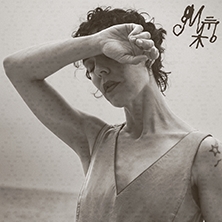
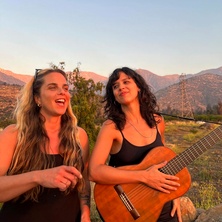
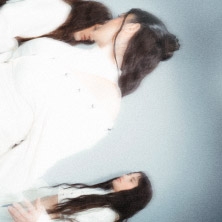
Nita’s new artistic chapter finds its identity in Magma, a project where electronic music and Andalusian roots meet contemporary production and expressive vocal performance. The Nita Magma Tour takes this world to the stage through a live format built around contrast, movement and intimacy. Her voice remains at the centre of a project that looks towards tradition without being limited by it and uses electronic production as a space for continued transformation.
Nita and Magma: a new solo artistic chapter
Cristina Manjón, professionally known as Nita, begins a new stage of her career with Magma. After years connected with projects in which different musical languages played an important role, the singer now places her own perspective at the centre of work created during a period of transformation. Magma, her first solo album, introduces a recognisable yet different identity, with greater space for introspection, experimentation and a more personal relationship with the songs.
The project remains connected with her previous journey but develops its language from another perspective. Electronic production provides structure, momentum and texture, while her roots emerge through vocal phrasing, interpretation and a sensibility connected with her cultural background. This coexistence defines much of the album’s personality. Tradition and experimentation are not treated as opposites but as complementary parts of the same musical identity.
Production developed with Bronquio contributes to this territory of contrasts. Electronic foundations, different rhythmic intensities and more spacious passages accompany a voice capable of moving from fragility towards a stronger physical presence. Rather than depending on a single register, the repertoire gains strength from its range. Movement and introspection coexist within songs designed both for close listening and for transformation in a live setting.
The concept of Magma itself provides an image of change. Something remains beneath the surface, moving under pressure until it finally emerges and alters the landscape around it. This idea connects naturally with music created from a period of personal change and the need to explore a new creative territory. Personal transformation becomes closely linked with artistic creation, giving the album a sense of narrative beyond its individual tracks.
Nita’s musical identity: electronics, voice and Andalusian roots
Nita’s relationship with music begins within a family environment closely connected with singing and dance. Córdoba forms an essential part of that origin and of the cultural background behind her approach to interpretation. Copla, flamenco and other forms of popular music later existed alongside new influences, creating a vocal identity open to different codes. Andalusian roots remain an important reference even when the songs move firmly towards contemporary electronic production.
Over the years, Nita has developed a career closely associated with fusion and the meeting of different musical languages. That experience provides important context for Magma because the new project does not appear in isolation from everything that came before it. Instead, it brings together lessons in composition, performance and live staging and redirects them towards another territory. Nita’s artistic evolution can be heard in the way familiar qualities remain present while their musical surroundings change.
Her voice continues to be one of the defining elements. Nita uses interpretation not simply to carry melodies but to alter the emotional character of each song. Quieter passages highlight detail, breath and subtle changes of intention, while more intense sections reveal a stronger physical presence. An expressive, versatile voice acts as the connecting element across the different atmospheres of the album.
Electronic production is equally important and operates as more than an additional layer. It forms part of the project’s architecture and helps define the internal movement of the songs. Broken rhythms, direct pulses and open spaces allow the repertoire to travel through different states. Electronic sound and emotion therefore coexist without one reducing the impact of the other.
What Magma sounds like and what the new repertoire explores
Magma consists of ten songs built around varying levels of intensity. Some are driven by rhythm while others develop through more suspended and spacious atmospheres, but they share a clear interest in exploration. This variety prevents the album from settling into a single formula. Ten songs, multiple moods create a journey where dance, contemplation and personal reflection can follow one another without breaking the unity of the record.
“Milagro 18:08” revealed one of the more rhythmically driven sides of the project, establishing a direct connection between electronic sound, the body and movement. “Azul nomeolvides” introduced a quieter sensibility, while “Aquí” explored presence and calm. Together, these tracks show the breadth of the record. Sonic contrast becomes one of the defining qualities of a project capable of moving from energy to stillness without losing its identity.
This balance can also be heard in the treatment of tradition. Nita’s roots are not presented as a decorative feature designed simply to signal origin. They are integrated into phrasing, interpretation and creative perspective. Electronic production then provides a language through which those references can be transformed. Reinterpreted musical roots describe the spirit of Magma more accurately than any literal reproduction of traditional forms.
The repertoire is also connected with changing life cycles, transformation and the search for a stronger sense of personal centre. Motherhood and other personal processes form part of the creative context behind the album, giving the songs a particularly inward-looking dimension. Intimacy and change become recurring concepts within work that turns personal experience into artistic material.
This combination of physical momentum and emotional depth becomes especially relevant when the songs move into a live environment. Details that appear subtle on the record can acquire another scale when sound fills a venue and interacts with an audience. From studio to stage, Magma gains new possibilities for expanding its dynamics and sensory dimension.
What a Nita concert on the Magma Tour feels like
Live performance has always occupied an important place in Nita’s artistic journey. Her stage experience has helped shape an approach in which voice, body and music belong to the same form of expression. On the Magma Tour, this experience is applied to a new repertoire built from electronic textures and changes of intensity. An immersive live experience emerges from the relationship between vocal interpretation, rhythm and atmosphere.
The songs allow more energetic passages to alternate with moments where attention moves towards the voice. This creates a varied emotional journey and prevents the concert from remaining within a single level of intensity. There is room for movement as well as concentrated listening and greater proximity. Energy and intimacy operate as complementary forces throughout the show.
The visual dimension is also closely connected with Nita’s approach to performance. Physical presence, aesthetics and atmosphere contribute to expanding the meaning of the repertoire. Magma offers an especially fertile visual language through ideas of heat, matter, change and something emerging from within. Sensory staging can therefore reinforce the musical narrative while keeping the songs at the centre.
Audience proximity becomes particularly relevant in venues where vocal details and shifts in energy can be experienced directly. Electronic production provides physical impact while quieter sections create another kind of connection. Audience proximity becomes an essential part of a concert designed to travel through very different emotional and sonic intensities.
Nita Magma Tour in Seville and Madrid
The Magma Tour brings this new chapter to Seville and Madrid, two cities with strong live music cultures. In Seville, Nita performs at Supra Music Hall; in Madrid, the concert takes place at La Sala del Movistar Arena. Seville and Madrid therefore become two key settings for presenting the world of Magma live.
The Seville date creates a particularly meaningful link with the Andalusian background present throughout Nita’s music. The project does not reproduce traditional forms literally but develops from a recognisable cultural memory and sensibility. Hearing these songs in Seville adds another dimension to that relationship between origin and transformation. The Seville concert places the repertoire within a cultural environment closely connected with many of the references behind Nita’s identity.
The Madrid date brings the project to La Sala del Movistar Arena, a live music venue where the repertoire can unfold through its different levels of intensity. For Nita, the Madrid show offers another opportunity to present the scope of her new chapter. Magma Tour in Madrid places the focus firmly on material created from a fully solo artistic identity.
What makes this new chapter of Nita different
Magma does not operate as a complete break with the past but as a reorganisation of elements already present within Nita’s artistic language. Her interest in fusion, vocal interpretation, staging and different musical traditions remains visible, although each element now appears from a more personal perspective. Continuity and renewal describe this stage more accurately than the idea of abandoning everything that came before it.
This balance allows the project to connect with different audiences. Listeners familiar with Nita’s previous work can recognise certain aspects of her interpretation, while those arriving from contemporary electronic music encounter a repertoire shaped by production, rhythm and experimentation. A hybrid musical language creates connections between references without reducing the project to a simple collection of separate styles.
The importance of the live show lies precisely in making that evolution visible. Songs move beyond the private space of recording and become part of a collective experience. The audience inevitably changes the energy of each performance, and the repertoire begins to develop its own history on stage. A shared experience transforms the introspective quality of the album without taking away its emotional depth.
Nita enters this tour with work that connects several dimensions of her journey: musical background, roots, electronic exploration, stage experience and the desire to continue developing her own artistic language. All of these find a new balance within Magma. An evolving identity runs through the album and finds a natural extension in live performance.
The Magma Tour as a stage experience
The first concerts built around a new repertoire offer a chance to see how songs change once they begin interacting with an audience. Some can gain intensity, others may reveal quieter details and certain transitions can acquire a different meaning within the flow of a concert. The Magma repertoire already contains a variety of moods that encourages this kind of evolution on stage.
Supra Music Hall and La Sala del Movistar Arena provide settings where the relationship between artist and audience can remain close. The physical impact of electronic sound and the expressive character of Nita’s voice can therefore exist in balance. Close live venues support a type of listening where sonic impact and attention to detail can coexist.
The tour ultimately represents the point at which a new musical identity begins to create a collective memory. Magma originates from a personal process, but live performance allows its songs to be shared and to gain new meanings through interpretation. Seville and Madrid form part of that journey. Nita’s new chapter finds on stage a place where past experience, present identity and creative exploration can meet.
Useful info about Nita
Who is Nita and what kind of music does she make?
Nita is the professional name of Cristina Manjón. Her solo work combines contemporary electronic music, Andalusian roots and expressive vocal interpretation, with Magma at the centre of this new artistic chapter.
What is the Nita Magma Tour live experience like?
The concert combines electronic production, vocal performance, movement and different levels of intensity. The repertoire alternates between energetic sections and more intimate, contemplative moments.
Where does the Nita Magma Tour take place?
In Seville, Nita performs at Supra Music Hall on 21 November 2026. In Madrid, the concert takes place at La Sala del Movistar Arena on 25 November 2026.
What does Magma represent within Nita’s career?
Magma is her first solo album and marks a period focused on a more personal identity, bringing contemporary electronic production together with Andalusian roots.
Where can I buy official tickets for Nita?
Official tickets available for Nita concerts can be found and purchased through entradas.com.