Christoph Willibald Gluck
Azione teatrale per musica in three acts
Libretto by Raniero de’ Calzabigi based upon the myth of Orpheus
The metaphor of never looking back
Known as the work that changed the way of writing opera in the last few years of Classicism, Gluck’s Orfeo ed Euridice maintains in its dramatic story the original mystery of the ancient myth, which emerged like all myths to explain the inexplicable, the sublime. At the height of Rationalism, Gluck's work keeps intact the mystery of the power of love in human actions and maintains in his verses the irrational force of feeling, which eliminates all traces of divine power in his presence. The new man who heralds Romanticism, the Orpheus who has Love as his only god, commits the crime of looking back and loses in that act everything that human beings had conquered in 1762, in the Age of Enlightenment.
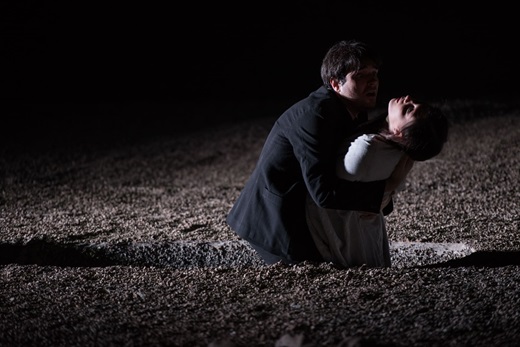
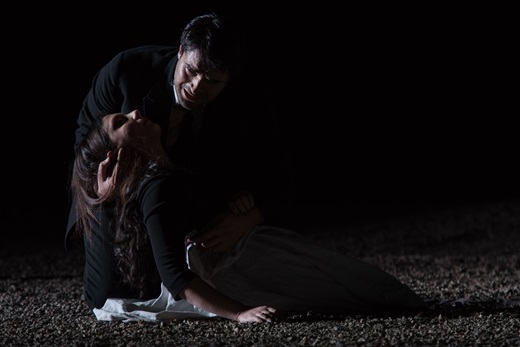
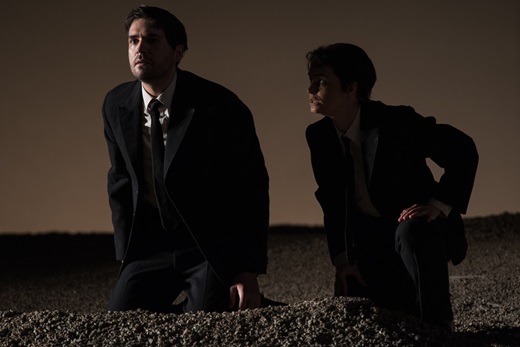
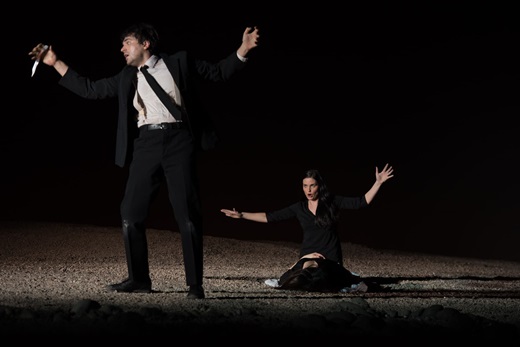
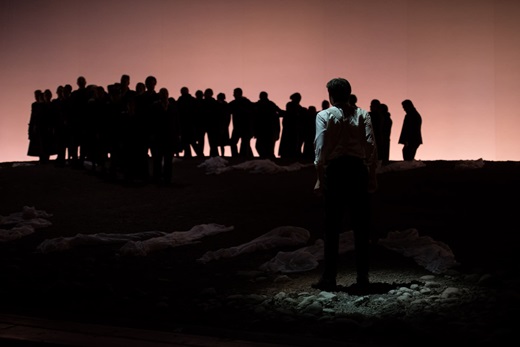
Robert Carsen achieved one of the greatest successes in the history of Les Arts with his unforgettable production of Elektra. On his second visit to Valencia, he offers us another of his iconic productions, that of Orfeo ed Euridice, where he delves into the relationship between life and death with an eminently realistic approach. The action is set in a unique staging, where he recreates the different atmospheres through a masterful use of lighting and the elements of nature, so characteristic of his work: sand, flowers and water. The mythological characters are brought to life by two young Italian singers with established careers in the baroque and classical styles: the countertenor Carlo Vistoli, who plays Orfeo; and the soprano Francesca Aspromonte, who lends her voice to Euridice., in the original version premiered in Vienna. They are guided by the attentive baton of Gianluca Capuano, principal conductor of the ensemble Les Musiciens du Prince-Monaco, who recently accompanied Cecilia Bartoli in her first performance at Les Arts.